
Introduction
Colors are more than just visual elements—they evoke emotions, shape perceptions, and influence behavior. The color theory wheel is a powerful tool that helps designers, marketers, and psychologists understand how different hues interact and impact human psychology.
Whether you’re designing a brand logo, decorating a space, or crafting a marketing campaign, understanding the color theory wheel can help you communicate more effectively. In this article, we’ll explore the psychology of color, how the color theory wheel works, and how you can use it to influence emotions and perceptions.
What Is the Color Theory Wheel?
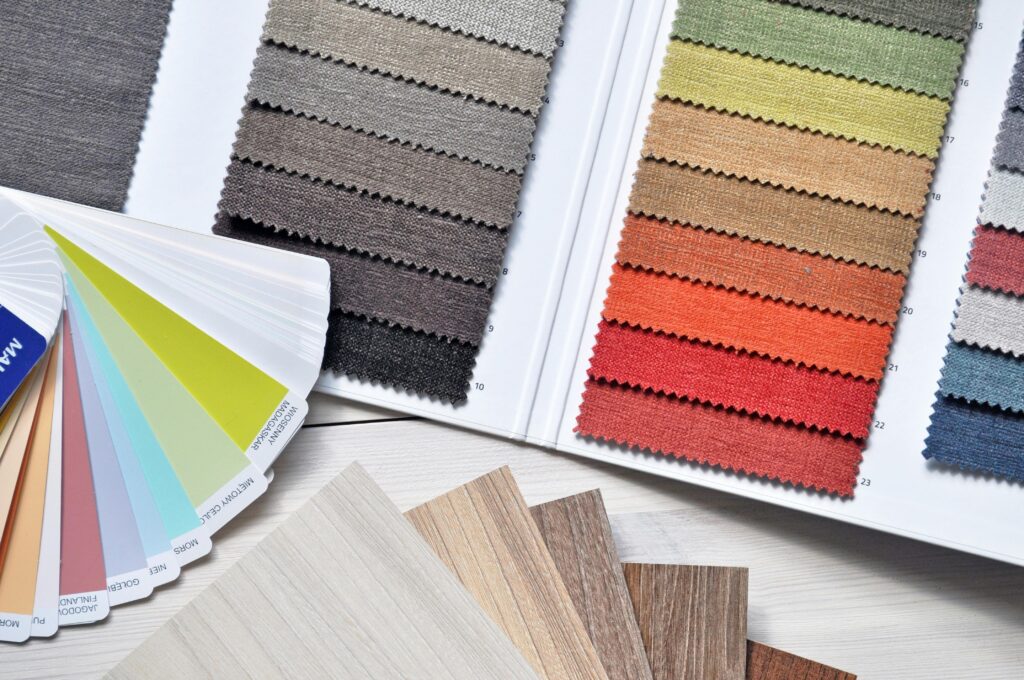
The color theory wheel is a circular diagram that organizes colors based on their relationships. It consists of:
- Primary Colors (Red, Blue, Yellow): The foundation of all other colors.
- Secondary Colors (Green, Orange, Purple): Created by mixing primary colors.
- Tertiary Colors (Red-Orange, Blue-Green, etc.): Formed by blending primary and secondary colors.
The wheel also categorizes colors into warm (reds, oranges, yellows) and cool (blues, greens, purples) tones, each evoking distinct emotional responses.
The Psychology of Colors: How They Influence Emotions
1. Red: Passion, Energy, and Urgency
- Emotional Impact: Excitement, love, anger, urgency.
- Use Cases: Call-to-action buttons, sales promotions, fast-food branding.
- Example: Brands like Coca-Cola and Netflix use red to evoke energy and action.
2. Blue: Trust, Calmness, and Professionalism
- Emotional Impact: Trust, security, serenity.
- Use Cases: Corporate logos, healthcare, social media platforms.
- Example: Facebook and LinkedIn use blue to convey reliability.
3. Yellow: Optimism, Warmth, and Attention
- Emotional Impact: Happiness, caution, warmth.
- Use Cases: Warning signs, children’s products, food packaging.
- Example: McDonald’s and IKEA use yellow to attract attention.
4. Green: Nature, Growth, and Balance
- Emotional Impact: Relaxation, health, prosperity.
- Use Cases: Eco-friendly brands, wellness products, financial services.
- Example: Starbucks and Whole Foods use green to symbolize freshness.
5. Purple: Luxury, Creativity, and Spirituality
- Emotional Impact: Royalty, mystery, sophistication.
- Use Cases: High-end brands, beauty products, artistic designs.
- Example: Cadbury and Hallmark use purple to convey elegance.
6. Orange: Enthusiasm, Creativity, and Affordability
- Emotional Impact: Energy, fun, affordability.
- Use Cases: Sports brands, youthful marketing, budget-friendly products.
- Example: Fanta and Amazon use orange for vibrancy.
7. Black: Power, Elegance, and Mystery
- Emotional Impact: Sophistication, authority, mystery.
- Use Cases: Luxury brands, high-end fashion, tech products.
- Example: Apple and Chanel use black for exclusivity.
8. White: Purity, Simplicity, and Cleanliness
- Emotional Impact: Clarity, minimalism, peace.
- Use Cases: Healthcare, tech interfaces, minimalist designs.
- Example: Apple and Tesla use white for a sleek, modern look.
How the Color Theory Wheel Affects Perception in Design & Marketing
1. Branding & Logo Design
Colors shape brand identity. For example:
- Red (Coca-Cola): Energy and excitement.
- Blue (IBM): Trust and professionalism.
- Green (Starbucks): Freshness and sustainability.
2. Website & UI/UX Design
- Call-to-Action Buttons: Red or orange increases clicks.
- Background Colors: Light blues and whites improve readability.
- Emotional Connection: Warm tones create urgency, while cool tones build trust.
3. Advertising & Marketing Campaigns
- Seasonal Colors: Red and green for Christmas, pastels for spring.
- Cultural Associations: White symbolizes mourning in some cultures, while red means luck in others.
How to Use the Color Theory Wheel for Emotional Impact
- Choose a Dominant Color: Align it with your brand’s message.
- Use Complementary Colors: Opposite colors on the wheel (e.g., blue and orange) create contrast.
- Apply Analogous Colors: Adjacent colors (e.g., blue, blue-green, green) for harmony.
- Consider Color Temperature: Warm colors energize, while cool colors soothe.
Conclusion
The color theory wheel is more than just a design tool—it’s a psychological framework that shapes how we perceive the world. By understanding the emotional impact of colors, you can create more engaging designs, stronger brands, and more effective marketing strategies.
Next time you choose a color, think beyond aesthetics—consider the emotions and perceptions it evokes.